
Why Health Clubs Should Play Games: Motivation, Retention & The Psychology of Play
Health clubs are not just in the business of selling memberships, they are in the business of helping people change their behaviour. And behaviour change is rarely driven by logic alone. Most members join with strong intentions, but reality soon interrupts those plans. Energy dips, life gets busy, confidence drops and before long, the gym becomes “something I should do” rather than something fun and rewarding.
That is where branded games can be transformational. When we introduce elements of play into the health club experience, we eliminate the friction that typically pushes members away. Games trigger curiosity, competition, pride, and progress all of which help people stay engaged long enough for habits to form.
Psychologically, this aligns perfectly with Self-Determination Theory, which states that long-term motivation is built when people feel autonomous (“I choose this”), competent (“I can do this”), and connected (“people like me do this too”). Games can strengthen all three, quickly and consistently, making them a powerful tool for retention.
Games Build Stronger Connection
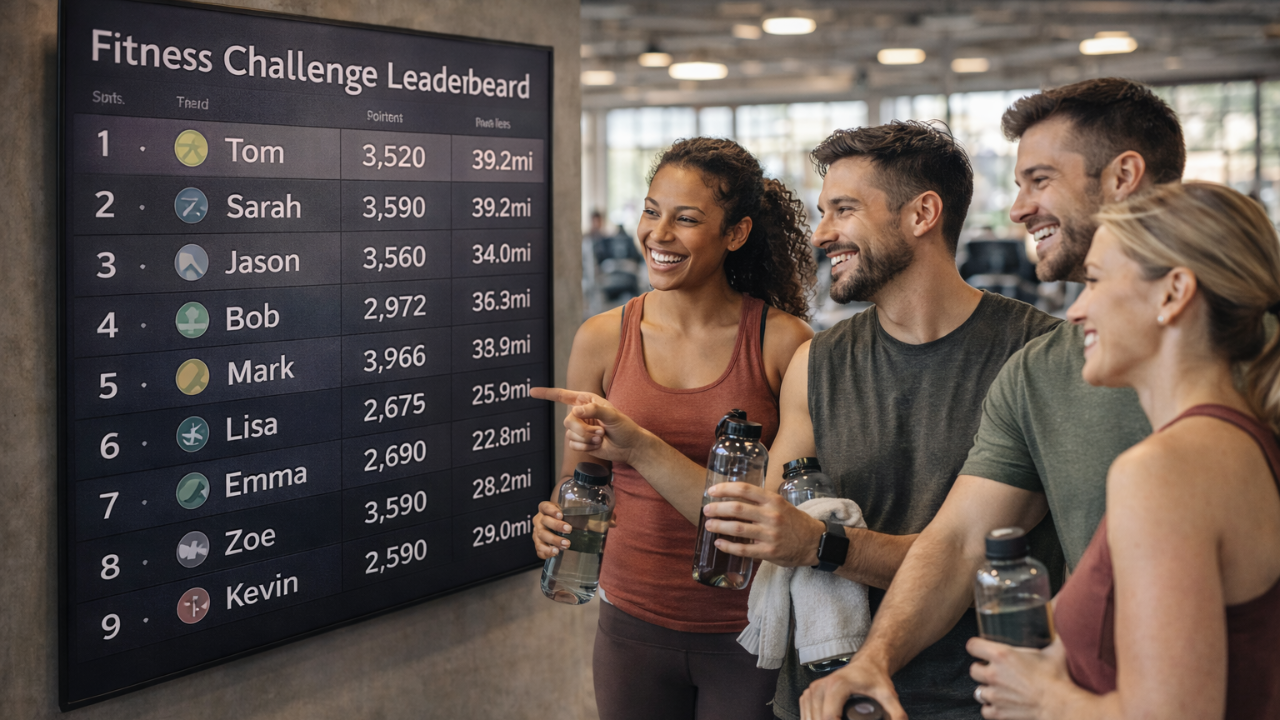
A strong predictor of retention in health clubs is whether members feel like they are part of something. Branded games give people reasons to talk to each other, compare experiences, and celebrate progress together. A step challenge creates friendly rivalries. A class-based leaderboard encourages people to attend together. A QR-code treasure hunt around the gym gives new members confidence to explore the space.
Instead of quietly working out alone and slipping out unnoticed, members begin to interact. They recognise faces. They feel rooted in a community and people do not quit communities.
They Boost Engagement with Your Brand Beyond the Gym Floor
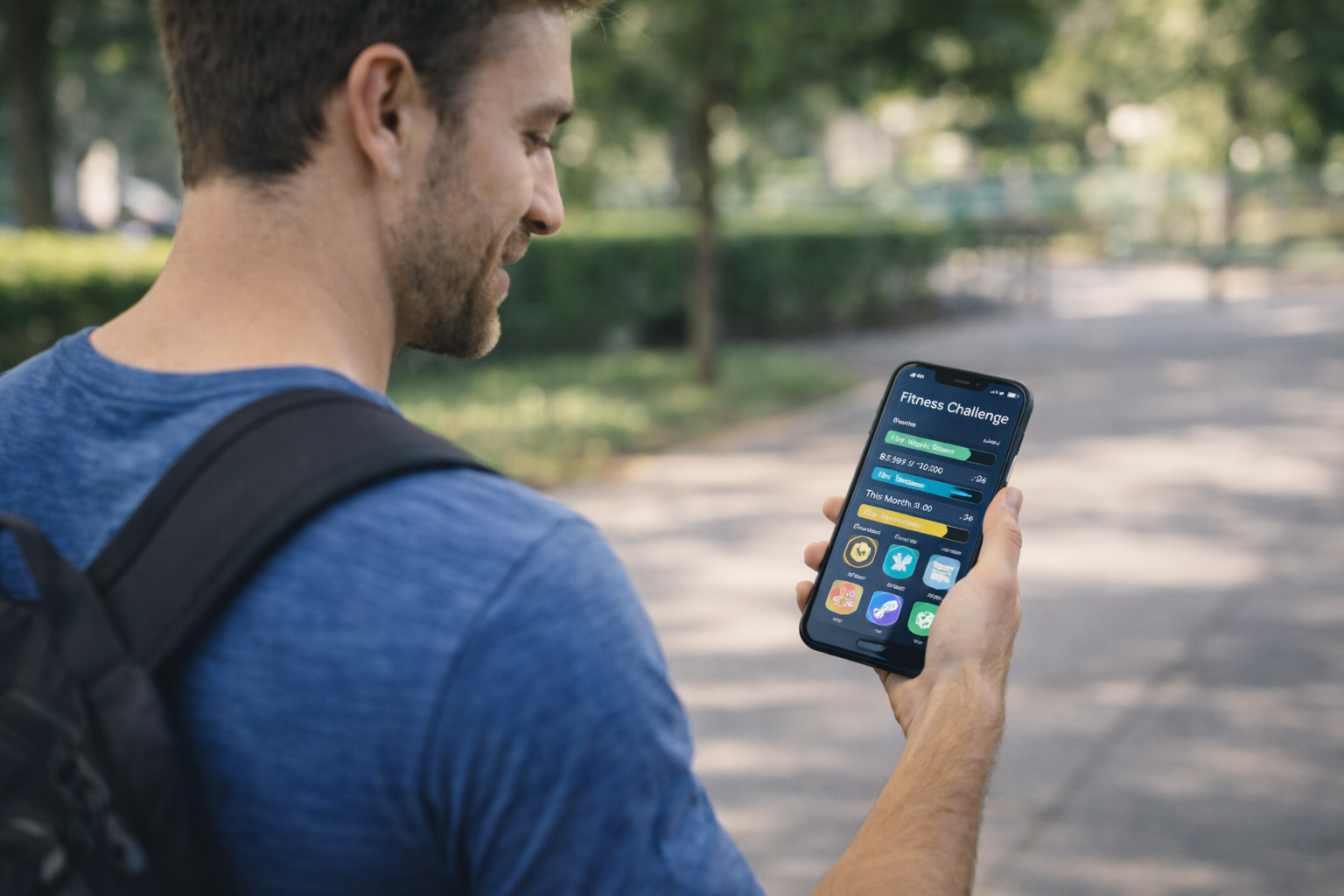
Members rarely think about the gym when they are not physically in it. Games change that. App-based challenges and push notifications remind them that fitness can happen anytime and anywhere not just on the treadmill. Mini games tied to weekly themes or seasonal campaigns keep your brand top-of-mind in a fun and positive way.
When members choose to interact with your club outside the building, they are building the belief that exercise is part of their identity, not just a location they visit.
They Capture Attention and Hold It
Traditional marketing posters, digital ads, membership emails relies on attention that can be ignored, skipped, or swiped past. Games, however, encourage participation. They offer a challenge and the promise of reward. Instead of a three-second glance at a message, you may get three minutes of active engagement while someone works towards their next milestone or power-up.
This matters because motivation is emotional, not instructional. When something feels compelling, we repeat it. Games create that instinctive “I want to keep going” feeling that exercise often struggles to produce in the early weeks.
Make Fitness Fun Again
The fitness industry often frames exercise as discipline and willpower, but for many people, fun is a far more powerful motivator. Games take the pressure away and replace it with excitement. Instead of worrying whether they look inexperienced on the gym floor, members are caught up in unlocking a score or beating their last attempt.
This joy increases autonomy, they are participating because they want to, not because they feel they should. When exercise becomes enjoyable, it naturally becomes consistent.
They Support Successful Onboarding
The most at-risk members are always those in their first six to 12 weeks. Confidence is fragile. Every visit feels like a test, games can turn this intimidating period into a string of confidence-building wins.
A new member who earns rewards for trying three different machines, attending their first class, or completing their first five visits begins to feel capable much earlier. According to Self-Determination Theory, this sense of competence is one of the strongest drivers of long-term adherence. When someone believes they can succeed, they are far more likely to stay.
They Reactivate Members Who Have Gone Quiet
When members drift away, they often feel embarrassed or discouraged about returning. A game creates a fresh, positive reason to re-engage. A January lapse can be reframed as a February comeback challenge. Instead of feeling like they failed, they are simply returning to the story, ready for the next level.
Games are a powerful tool to move members from “I should go back” to “I want to win again.” That shift alone can recover thousands in lost revenue.
They Transform Digital Adoption Into Something Effortless
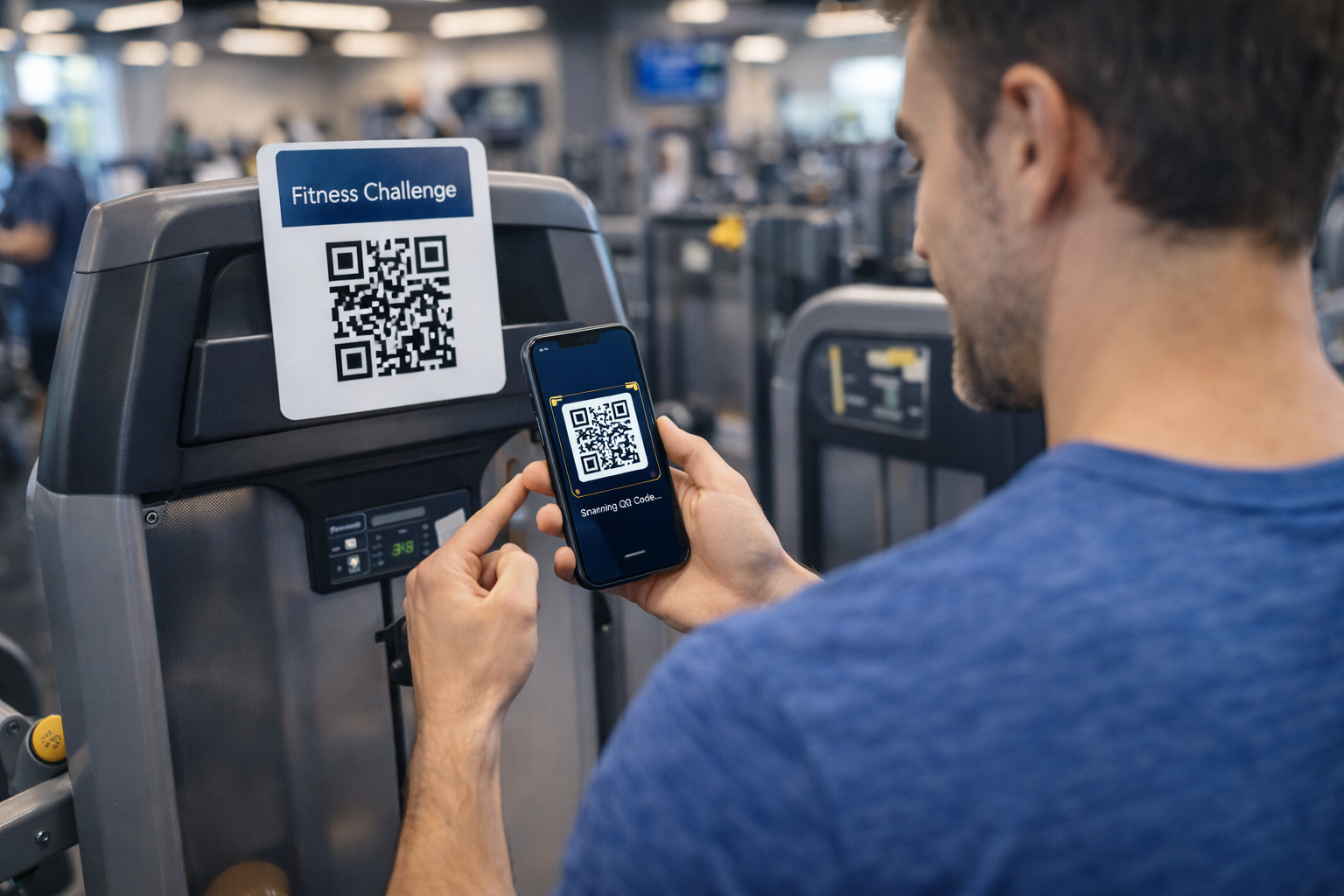
Convincing members to download the app, track sessions, or scan QR codes at entry can feel like a constant struggle. But if each of those actions contributes to progress in a challenge, uptake suddenly accelerates. Technology becomes part of the fun, a tool for feedback rather than a barrier.
As digital engagement rises, so does communication reach, visit frequency, and data-driven personalisation.
They Strengthen Community Identity
A lively leaderboard or an in-club competition creates buzz like nothing else. Members chat about who’s climbing the rankings, who’s smashed their target, who’s unlocked a new badge. Staff get involved too, cheering people on and celebrating achievements publicly.
This collective energy reinforces relatedness the belief that “people like me exercise here.” It’s one of the most powerful retention triggers the industry has.
They Create Member Advocates - Without Being Ask
When people achieve something they’re proud of whether that’s mastering a movement, winning a prize, or topping a challenge board, they talk about it. Games fuel natural sharing, both offline and online. Screenshots get posted, friends get tagged, family gets invited.
Gamification does not just keep existing members active, it brings new ones through the door.
The Bottom Line: Games Help People Stick With Exercise Long Enough to Feel the Benefit
Branded games are not a gimmick and not a distraction. They are a behaviour change strategy rooted in proven motivational psychology. They help members feel successful faster, which is the single most important factor in whether they return.
Health clubs have always offered workouts. The clubs winning the future will offer experiences that make people want to keep coming back.
If we want members to change their behaviour, then we must design environments that change how they feel while doing it.
Games turn effort into excitement.
They turn doubt into confidence.
They turn gyms into communities.
And ultimately they turn short-term joiners into long-term members.
Join our Free Retention Guru Community
This group is for those who want to increase retention, reduce attrition and improve the customer experience in a health club environment. It's here for you to share your wins, your challenges and your experiences. It’s here so that you can find support and be supportive.

8 most common mistakes operators make.
Simply enter your name and email to download your free copy today!