
Facility Design and its Impact on Retention.
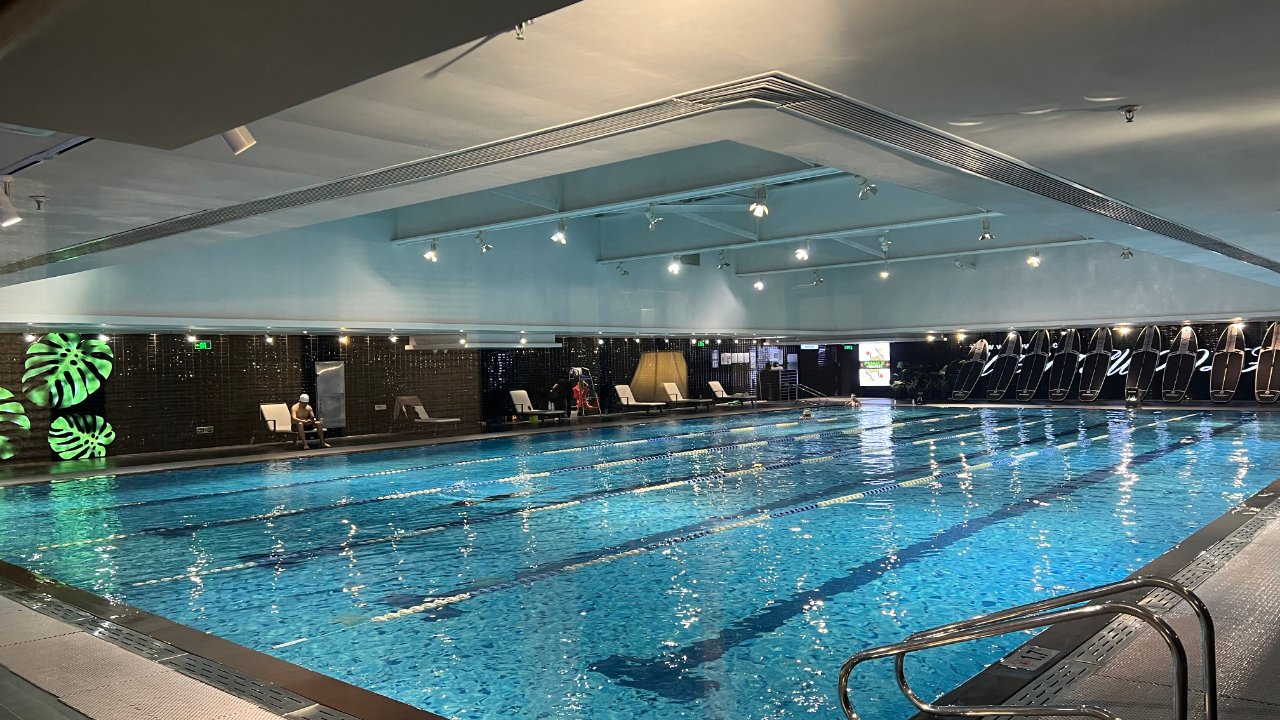
At times of economic challenge retaining customers is important to all business. This article is intended to identify issues that can contribute to increased retention and decreased attrition in the design of our gym spaces.
Gyms evolved in the UK market first in the public sector. The introduction of the early universal multi-gym provided users with their first experience of weight training that was not reliant on free weights. Body building gyms existed but these were dedicated to a small minority of users who’s sole aim was to sculpt their shape rather than gain fitness related benefits.
As facilities evolved so did the machines found within them. Universal was followed by Nautilus and then by domestic and foreign manufacturers. Schwin Air-dines gave way to Life cycles, square tubed resistance machine with tall weight stacks gave way to curved frames and low profiles. The range of machines grew and so did the size of the space required to house them.
While the equipment has grown...
What the Best Clubs do to Retain Members?
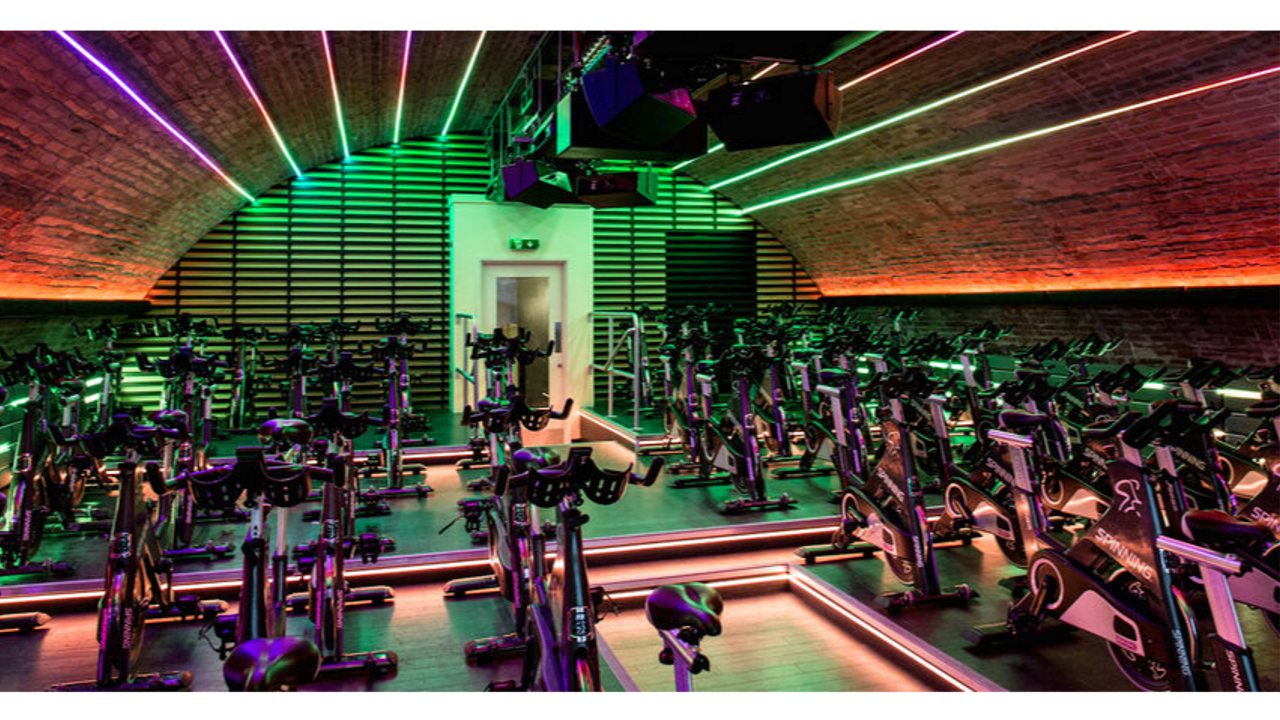
For more than 20 years, I have been intensely studying health club operators and member behaviour in order to understand what can be done to increase member retention and reduce attrition.
This required me to look internally at our industry for examples of best practice as well as externally at some of the world’s most affective customer experience strategies developed by organisations as larger as, Apple, Amazon, and McLaren Cars and as small as my local coffee shop.
My observation and investigation into the thoughts and process that developed these customer experiences reveals common patterns that can be adopted and replicated within the health club business. For this article I want to describe the operating behaviours of health clubs who are able to keep more than 70% for twelve months , and 50% of their members for more than two years.
Regardless of whether you are a small, medium or large organisation you will be able to apply some, if not all, within your business today, to be...
Can You Recycle Your Members?

Why Former Members Are Your Most Valuable Untapped Market
For decades, the health and fitness industry has been driven by a single dominant strategy: acquisition. Clubs pour time, money, and energy into attracting new members every month. Yet, beneath this focus lies an enormous opportunity that is often overlooked, the potential to bring back those who have left. Former members are already familiar with the brand, the building, the people, and the experience. They joined once because they believed the club could help them. And that belief can be reignited.
This shift from pure acquisition to strategic re-engagement is becoming essential in an increasingly competitive marketplace. The question is no longer, “How many new members can we sign up?” Instead, the more commercially intelligent question is, “How many members can we recover?” If the industry is willing to recycle waste materials to save money and protect the environment, surely recycling members who are far more valuable, is...
Culture Keeps CrossFit Members Longer Than Any Retention Program
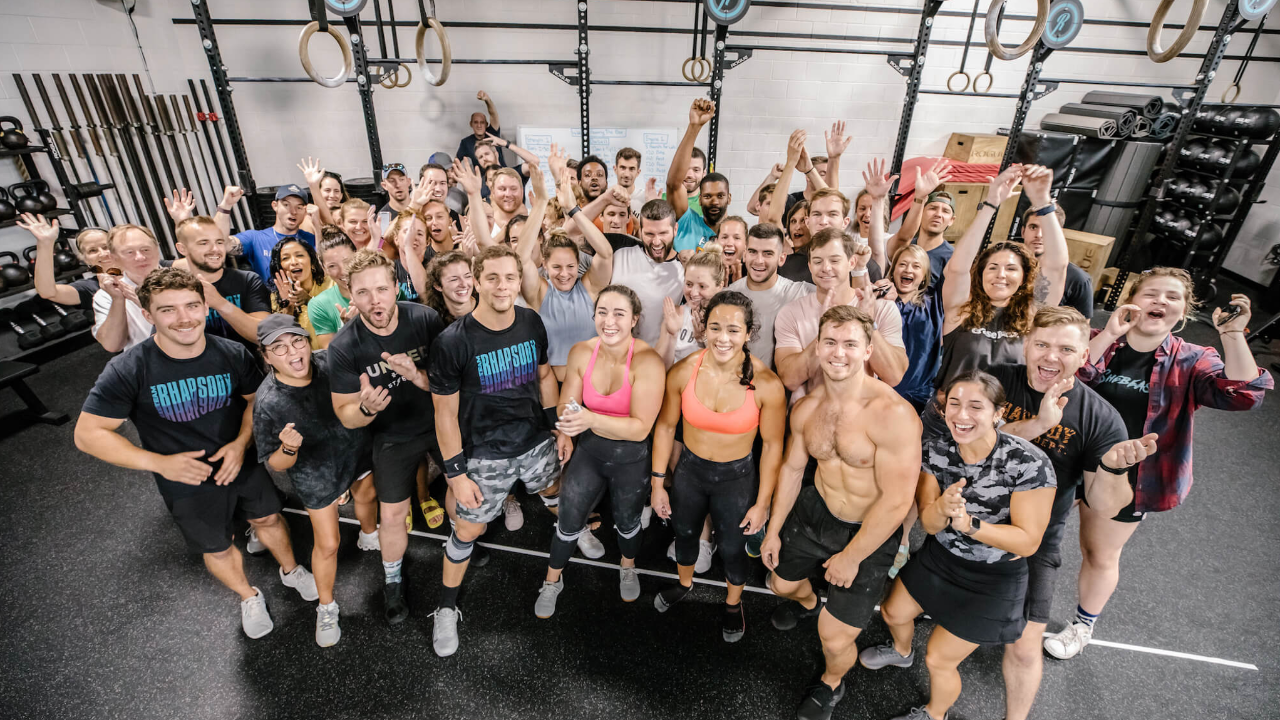
Walk into a CrossFit gym and you notice it immediately.
People talk to each other. Coaches know names. Someone stays behind to cheer the last finisher. There’s an energy that feels very different from a traditional gym floor.
That difference isn’t accidental, and it isn’t about the workouts alone.
Across the industry, CrossFit has become one of the clearest examples of how culture drives retention. Not through gimmicks or discounts, but through daily behaviours, shared standards, and an environment people feel part of rather than simply signed up to.
This article explores why CrossFit culture works so well for retention, what sits beneath the surface of that community feel, and what operators in any fitness setting can learn from it.
Culture First, Community Second
One of the most misunderstood ideas in fitness is the belief that community can be created directly. In reality, community is rarely something you “build” intentionally through events or social media alone.
Community...
Maximise Human Insight Design
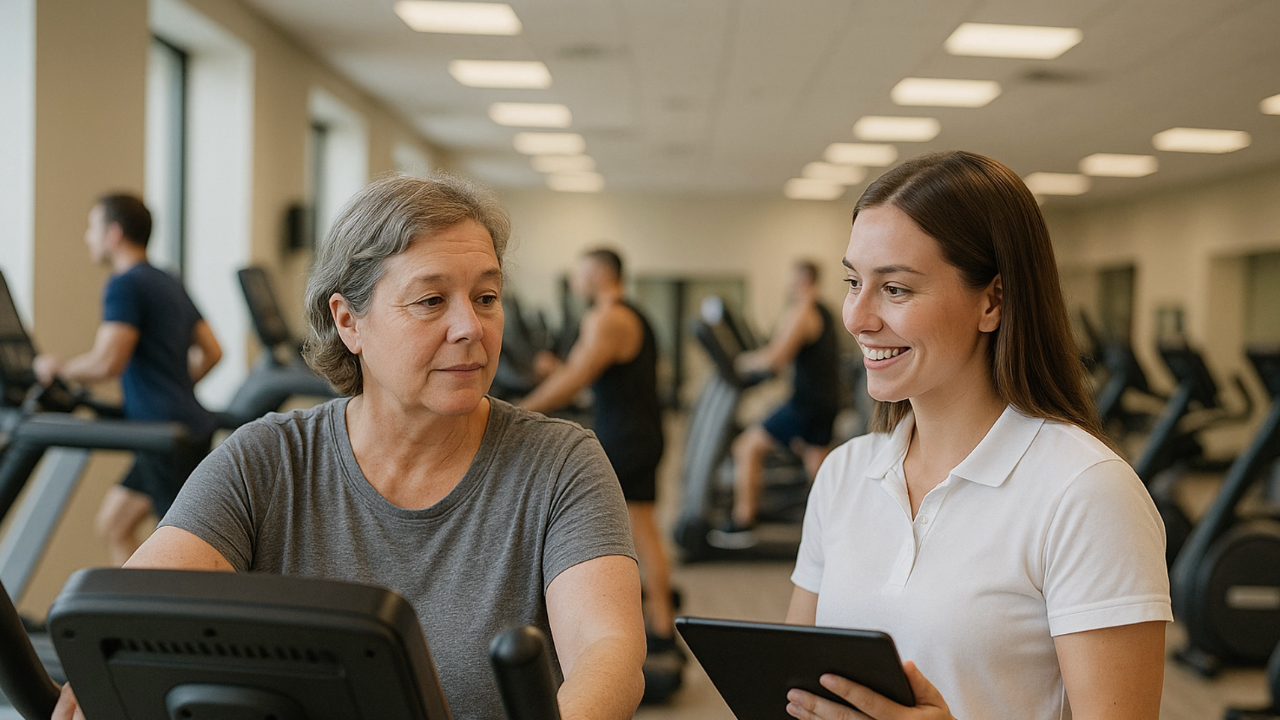
Why Human Insight Is the Key to Exceptional Customer Experiences
In a world dominated by data, businesses have unparalleled access to their customers' behaviors. Clicks, conversions, and other metrics paint a picture of what customers do, but they rarely reveal why they do it. This is where human insight steps in, offering the "why" behind the data and transforming numbers into narratives.
What Is Human Insight?
Human insight goes beyond data. It’s about understanding customers through empathy listening, observing, and walking in their shoes. It connects the dots between what customers think, feel, say, and do, giving businesses the tools to better serve them.
The most successful companies recognize that commerce isn’t just about selling products; it’s about creating experiences. These businesses don’t just meet expectations they anticipate needs, delight customers, and build trust through emotional connections.
For health clubs, this means recognizing that members aren’t just buy...
Designing Group Exercise for Habit, Belonging, and Consistency. A guide for Boutique fitness owners

Boutique fitness studios rarely struggle to attract attention. They are good at creating energy, excitement, and a sense of novelty. The challenge comes later, after the first few weeks, when the glow of a new studio fades and everyday life returns, many members quietly drift away. This is not usually because the workouts are poor or the brand is weak. More often, it is because attendance never becomes stable enough to survive the realities of busy lives.
In fact data we have on boutique studios has shown as many as 92% of attendees do not make it past 2 months.
Retention in boutique fitness is often discussed in terms of programming quality, instructor charisma, or community vibe. While all of these matter, they miss a deeper point, retention is not driven by how impressive a workout feels on day one. It is driven by how easy it becomes to repeat on day thirty, day sixty, and beyond. Group exercise, when intentionally designed, is one of the most powerful retention tools boutique st...
You don’t belong here.

Why “Lack of Motivation” Is the Wrong Diagnosis for Exercise Dropout
If you work in fitness long enough, you hear the same explanation over and over again.
“They just weren’t motivated.”
“They lost motivation.”
“They didn’t want it badly enough.”
It sounds neat. Logical. Comfortable, but it’s wrong.
When people stop exercising or disappear from a health club, motivation is usually blamed because it’s the easiest answer. It places responsibility firmly on the individual and lets the business off the hook.
But as Resistance to Exercise: A Social Analysis of Inactivity by Mary McElroy makes clear, inactivity isn’t a personal failure. It’s often a social response.
People don’t drop out because they suddenly become lazy. They drop out because exercise stops fitting safely, comfortably, or meaningfully into their lives.
Once you understand that, everything about retention starts to look different.
Motivation Isn’t the Starting Point We Think It Is
The fitness industry loves motivati...
Nike to open Fitness Studios.
Nike have announced they are to open the first of a series of studios later this year.
We have already seen Hermes, H&M, alo, Resolve and Aviator Nation deliver concept studios both as an addition to their brand offering or as pop-up location to grab media attention.
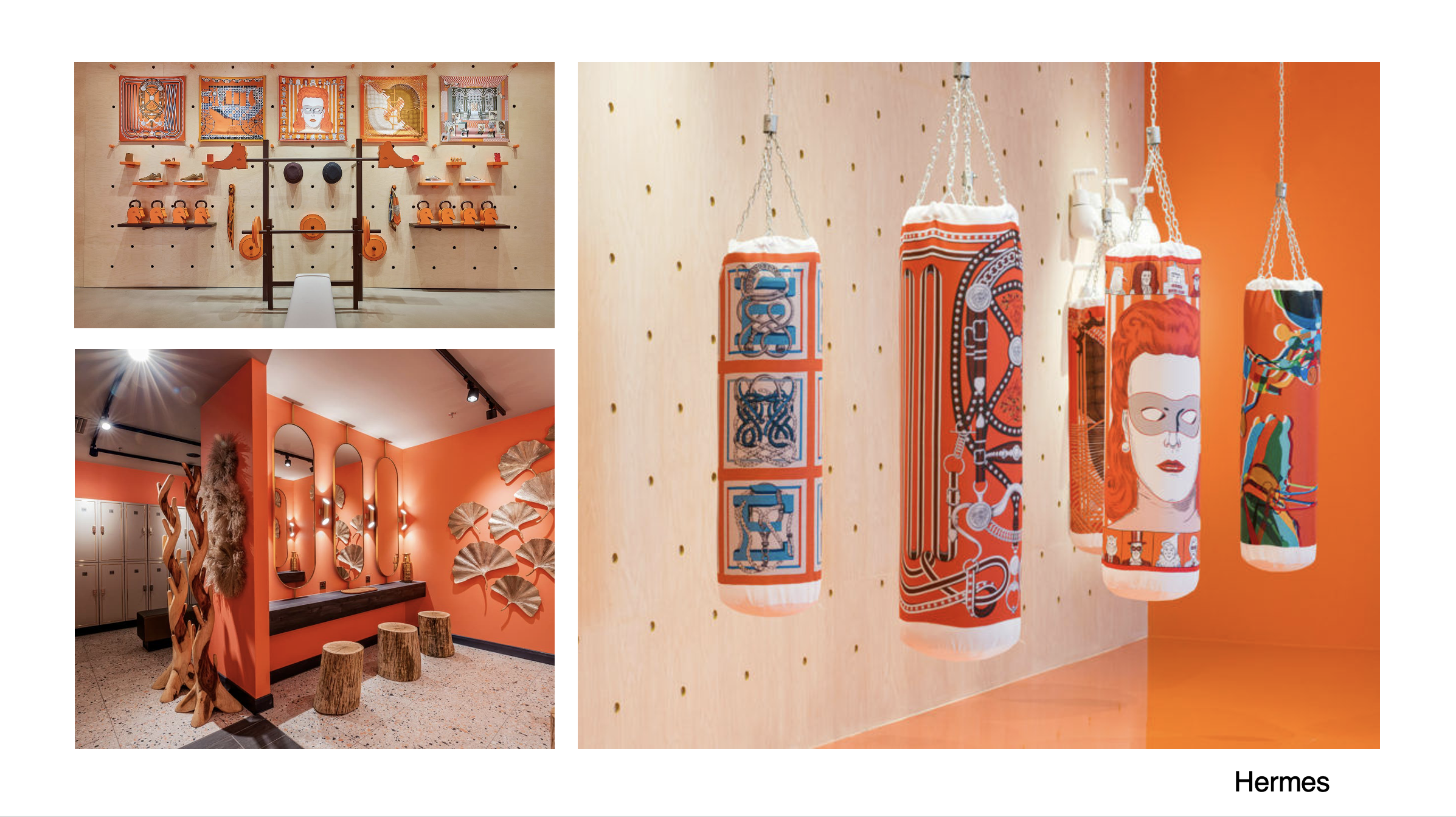
Nike will launch with two Californian locations the first will both be Nike Training Studios (NTS) with Nike Running Studios (NRS) to follow.
I will be keen to see if this is truly an attempt to enter the fitness studio market or a marketing project to create content for use across platforms. It will certainly attract the one and done influencers and the fitness tourists who will want to post their views of the studios, to their social media following, but have no intention of becoming a regular visitor. I would imaging mainstream media will also jump at the chance to feature this extension of the Nike brand.
Now while the marketing is suggesting all-inclusive the images representing the participants is very much the...
Differentiate with Service
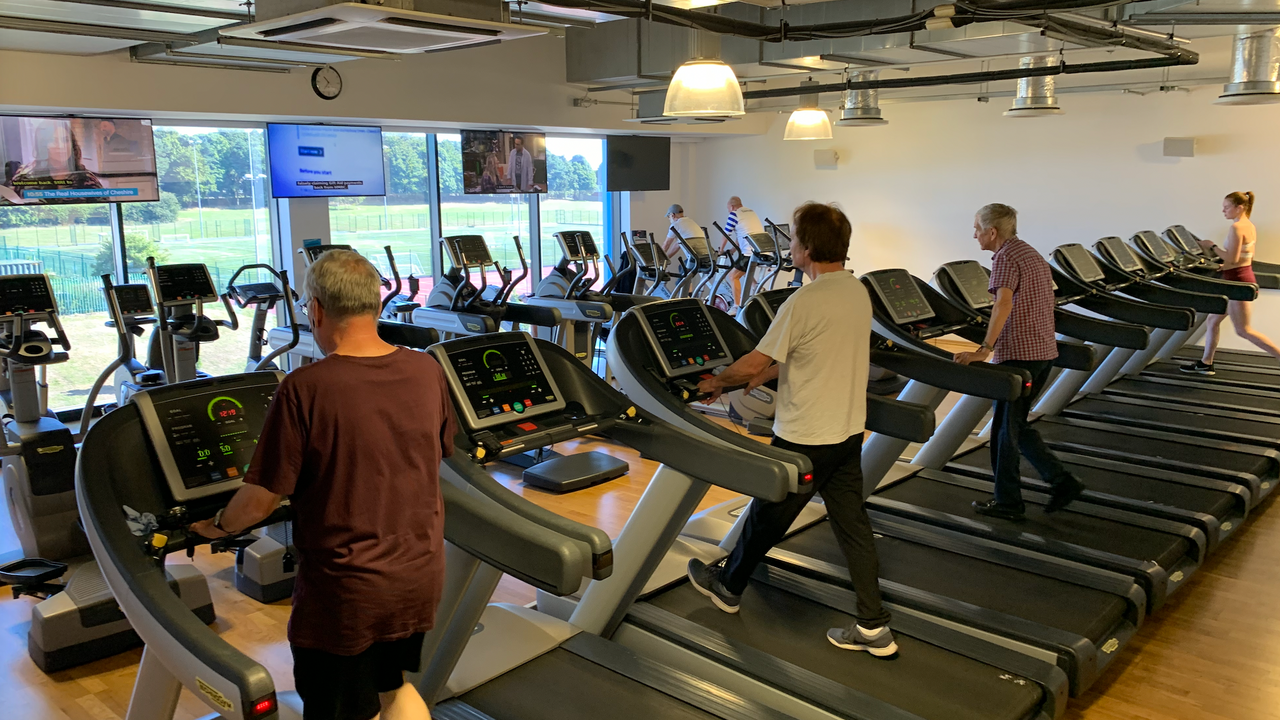
How To Create and Implement Minimum Service Standards in a Health Club
In order to have a successful Health Club you need to deliver a standard service to all of your members. Creating and implementing Health Club minimum service standards lets your employees know what you're expecting of them and helps gain loyal members. In this article, we explain what Health Club minimum service standards are and why they're important, list the steps for creating and implementing Health Club minimum service standards and provide you with several examples. Don’t let the term minimum lead you to thinking low service standards. Here the term minimum is a level that service will not fall below. Hotels like Ritz Carlton and the Four Seasons have minimum service standards that are higher than most of their competitors’ best efforts.
What are Health Club minimum service standards?
Health Club minimum service standards define what a Health Club guest or member can expect from their visit to a Health ...
How to create memorable and meaningful experiences for your clients
Retention Convention is all about teaching you how to create memorable and meaningful experiences for your clients so they keep coming back for more.

8 most common mistakes operators make.
Simply enter your name and email to download your free copy today!