
The Chemistry of a Great Session

How the Best Personal Trainers Design Workouts That People Actually Want to Come Back For
A perfect workout is rarely the one that burns the most calories or leaves someone flat on the floor. In fact, the sessions that keep clients coming back week after week often look deceptively simple on paper. What makes them powerful is not the exercise selection alone, but the emotional and neurochemical experience created along the way.
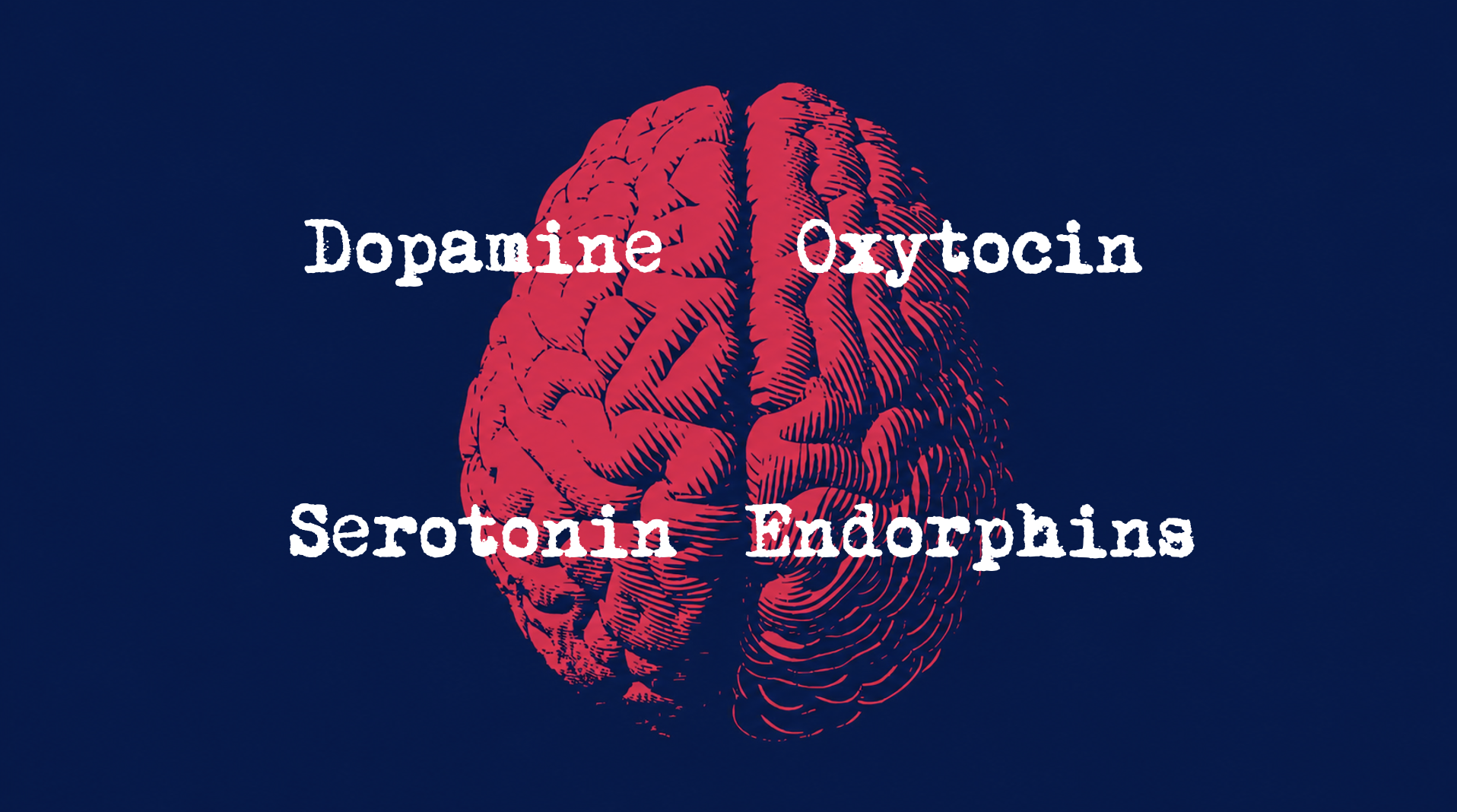
At its core, a successful training session is a carefully guided emotional journey. Long before clients see physical results, their brains are deciding whether this experience feels rewarding, safe, satisfying, and worth repeating. That decision is heavily influenced by four key neurochemicals: dopamine, oxytocin, serotonin, and endorphins.
The best trainers, whether they realise it or not, design sessions that activate all four. Not in a gimmicky or manipulative way, but by understanding how humans experience effort, progress, connection, and reward. When these chemicals are working together, workouts stop feeling like chores and start feeling like something clients look forward to.
Why the brain decides before the body does
Most people assume adherence fails because clients lack discipline or motivation. In reality, the brain is constantly asking a quieter, more powerful question: did that feel worth it? If the answer is no, consistency becomes a struggle regardless of goals or intentions.
Neurochemicals shape that answer. Dopamine influences anticipation and reward. Oxytocin governs trust and connection. Serotonin supports confidence and satisfaction. Endorphins help regulate pain and effort. A workout that stimulates only one of these, particularly endorphins through sheer physical strain, is unlikely to sustain long-term engagement.
A truly effective training session balances all four, creating an experience that feels rewarding, supportive, confidence-building, and manageable.

Designing for dopamine: creating momentum and motivation
Dopamine is often misunderstood as the “pleasure chemical,” but its real role is anticipation and learning. Dopamine spikes when the brain predicts something good is about to happen and when progress is recognised. In training, dopamine is activated less by suffering and more by small, meaningful wins.
A trainer who designs for dopamine understands that clients need to experience success early and often. This begins before the workout even starts. Clear session goals, explained in simple language, give the brain something to aim for. When a client knows what they are trying to achieve in the next forty-five minutes, their brain starts engaging with the task.
During the session, dopamine is reinforced through progress markers. These might be completing a set with better control, adding a small amount of load, or simply realising that something feels easier than it did last week. The key is that the trainer notices and names these moments. When progress is acknowledged, the brain registers the effort as worthwhile.
Importantly, dopamine responds poorly to overwhelming challenges. Sessions that are too complex or too intense can suppress dopamine by creating uncertainty and perceived failure. Trainers who chase novelty at the expense of clarity often undermine motivation without realising it. Repetition, when framed as mastery rather than monotony, is one of dopamine’s strongest allies.
The session should end with a clear sense of completion. Clients should leave knowing what they achieved and what comes next. This creates anticipation for the next session, keeping the dopamine loop open beyond the gym floor.
Designing for oxytocin: building trust and safety
If dopamine gets clients through the door, oxytocin keeps them there. Oxytocin is associated with trust, bonding, and psychological safety. In a personal training context, it is deeply influenced by how the client feels about the trainer as a person.
Oxytocin is released when people feel seen, heard, and supported. A trainer who remembers details, listens without interrupting, and adapts sessions based on how a client is feeling builds trust at a biological level. This trust reduces anxiety and lowers the emotional barrier to effort.
From a workout design perspective, oxytocin is supported by predictability and care. Clear explanations, permission to modify exercises, and reassurance that discomfort is normal but not dangerous all contribute to a sense of safety. When clients trust that the trainer will not push them beyond what is appropriate, they are more willing to engage fully.
Language plays a critical role here. Inclusive, collaborative phrasing strengthens connection. Phrases that emphasise partnership rather than authority foster oxytocin release. The session feels like something done with the client, not to them.
Oxytocin is also reinforced through consistency. Familiar session structures, recurring warm-ups, and recognisable patterns help clients relax into the experience. When the environment feels safe, effort feels less threatening, and adherence becomes far more likely.
Designing for serotonin: confidence, competence, and pride
Serotonin is closely linked to feelings of confidence, self-worth, and satisfaction. Unlike dopamine, which thrives on anticipation, serotonin reflects how people evaluate themselves after an experience. It answers the question: how did that make me feel about myself?
A trainer who designs for serotonin ensures that clients leave sessions feeling capable rather than inadequate. This begins with appropriate challenge. Exercises should stretch ability without exposing incompetence. When clients feel constantly behind or corrected, serotonin drops, even if the workout is technically effective.
Positive reinforcement is crucial. This does not mean empty praise, but specific feedback that highlights effort, improvement, and consistency. When a trainer acknowledges that a client handled a movement better than last time or stayed composed under fatigue, the client’s self-perception improves.
Serotonin is also influenced by social comparison, even in one-to-one settings. Trainers who reference progress relative to the client’s own past rather than external standards protect serotonin levels. The focus remains on personal growth, not arbitrary benchmarks.
The emotional tone at the end of the session matters greatly. A rushed goodbye or neutral ending can dilute the serotonin response. Taking a moment to reflect on what went well helps consolidate feelings of pride and satisfaction. Over time, this builds a stable sense of competence that supports long-term adherence.
Designing for endorphins: effort that feels good, not punishing
Endorphins are often the most talked-about neurochemicals in exercise, yet they are frequently misunderstood. While endorphins help blunt pain and discomfort, they are not a justification for relentless intensity. In fact, excessive strain can overwhelm the endorphin response and leave clients feeling depleted rather than energised.
A skilled trainer understands that endorphins are most effective when effort is dosed appropriately. Rhythmic, controlled movements, moderate challenges, and moments of flow support a positive endorphin response. Sessions that oscillate between effort and recovery allow the body to experience exertion without threat.
Breathing plays a subtle but important role. Coaching breathing patterns during exertion helps regulate discomfort and enhances the endorphin effect. Clients who feel in control of their breathing perceive effort as manageable, which makes physical sensations less aversive.
Importantly, endorphins should not be the sole driver of session design. Workouts that rely exclusively on pushing through pain may produce a temporary high, but they often undermine serotonin and oxytocin. The goal is not exhaustion, but engagement.
When clients leave feeling physically worked yet mentally clear and emotionally stable, endorphins have done their job without dominating the experience.
Bringing the chemistry together into one session
The most effective personal training sessions are not those that maximise one neurochemical at the expense of others, but those that blend them seamlessly. Dopamine draws clients in with progress and anticipation. Oxytocin keeps them feeling safe and supported. Serotonin ensures they leave with confidence and pride. Endorphins make the physical effort feel worthwhile rather than punishing.
This balance does not require complex programming. It requires intentionality. A session might begin with familiar movements to establish safety and confidence, introduce a small progression to spark dopamine, include supportive coaching to reinforce oxytocin, and finish with achievable effort that leaves the client energised.
Crucially, the trainer’s behaviour is as important as the exercises themselves. Tone of voice, pacing, attentiveness, and empathy all influence the neurochemical environment. Clients may forget specific exercises, but their nervous systems remember how the session felt.
Why this approach improves retention
Retention improves when workouts feel emotionally sustainable. Clients who associate training with clarity, connection, and self-belief are far more likely to continue than those who associate it with pressure or self-judgement.
By designing sessions that respect how the brain experiences effort and reward, personal trainers move beyond motivation and into habit formation. Exercise becomes something clients trust themselves to do, not something they have to psych themselves up for.
This is particularly important in the early stages of a training relationship. Before results appear, feelings matter most. Neurochemistry shapes those feelings, and trainers who understand this gain a powerful advantage.
The trainer’s real role
The role of a personal trainer is often described as motivator, coach, or expert. In reality, the most impactful role may be that of emotional architect. Trainers design experiences that teach the brain whether exercise is safe, rewarding, and repeatable.
When sessions consistently activate dopamine, oxytocin, serotonin, and endorphins in balance, clients do not need convincing to continue. The experience itself does the work.
The perfect workout is not the hardest one. It is the one that leaves clients feeling capable, connected, rewarded, and ready to come back.
Join our Free Retention Guru Community
This group is for those who want to increase retention, reduce attrition and improve the customer experience in a health club environment. It's here for you to share your wins, your challenges and your experiences. It’s here so that you can find support and be supportive.

8 most common mistakes operators make.
Simply enter your name and email to download your free copy today!