
Culture Keeps CrossFit Members Longer Than Any Retention Program
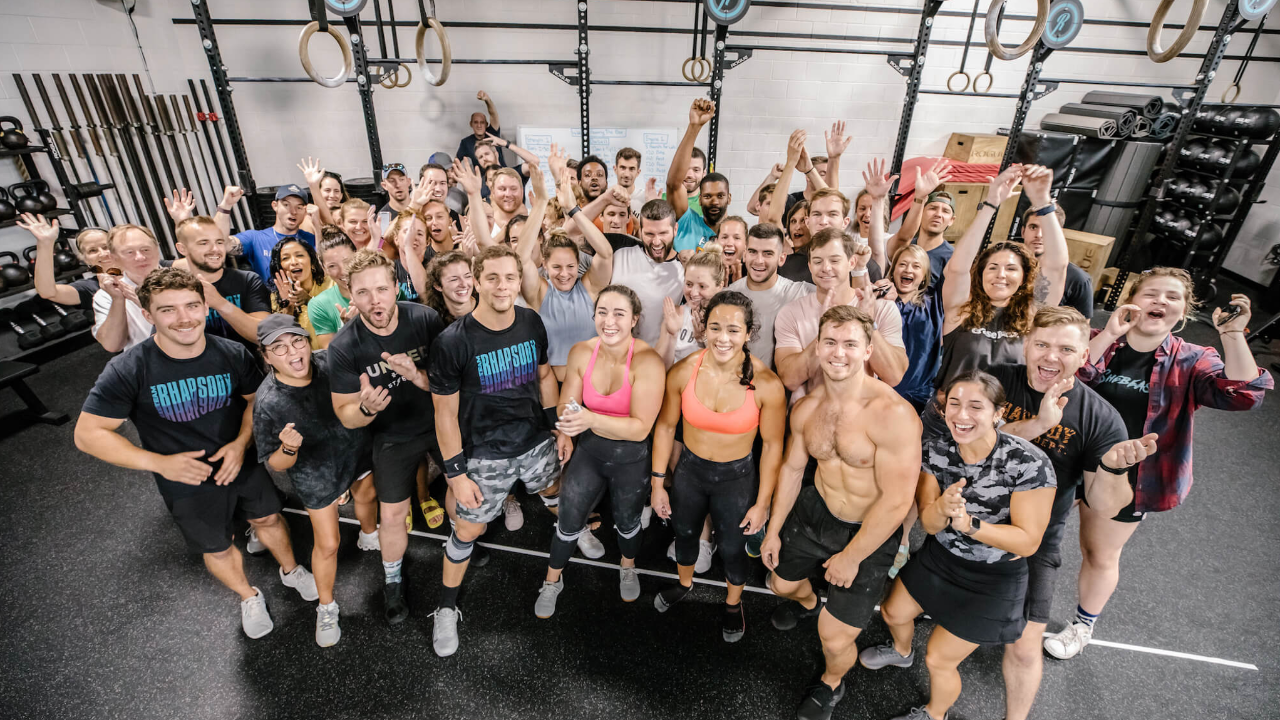
Walk into a CrossFit gym and you notice it immediately.
People talk to each other. Coaches know names. Someone stays behind to cheer the last finisher. There’s an energy that feels very different from a traditional gym floor.
That difference isn’t accidental, and it isn’t about the workouts alone.
Across the industry, CrossFit has become one of the clearest examples of how culture drives retention. Not through gimmicks or discounts, but through daily behaviours, shared standards, and an environment people feel part of rather than simply signed up to.
This article explores why CrossFit culture works so well for retention, what sits beneath the surface of that community feel, and what operators in any fitness setting can learn from it.
Culture First, Community Second
One of the most misunderstood ideas in fitness is the belief that community can be created directly. In reality, community is rarely something you “build” intentionally through events or social media alone.
Community is the output of culture.
In CrossFit gyms, culture shows up in the smallest details. Coaches arrive prepared. Classes start on time. Effort is expected, but ego is not. Everyone follows the same workout structure, regardless of ability level. These standards create trust, and trust creates safety.
When people feel safe, respected, and held to the same expectations as everyone else, connection follows naturally. The community isn’t forced. It emerges.
This is why two gyms can run the same workouts and have completely different atmospheres. Culture is not the programming. It’s how the programming is delivered and how people are treated within it.
Shared Effort Creates Real Bonds - Shared Suffering
CrossFit’s group training model does something powerful from a psychological perspective. People experience challenge together.
Struggling through the same workout, at the same time, creates a shared emotional experience. The discomfort, the relief at the end, the small victories along the way, these moments form bonds far faster than polite conversation ever could.
This shared effort removes hierarchy. Everyone scales. Everyone has hard days. Everyone finishes last sometimes. That collective struggle levels the room and replaces comparison with respect.
From a retention point of view, this matters because people are far less likely to walk away from environments where they feel connected through experience, not just proximity.
Accountability Without Pressure
One of the reasons CrossFit members tend to stay longer is that accountability is embedded, but it rarely feels controlling.
When someone doesn’t show up, it’s noticed. Not in a punitive way, but in a human way. A quick message. A quiet check-in. A simple “we missed you.”
That sense of being seen changes behaviour. This is when members don’t return just because they feel guilty, they return because they feel valued.
Accountability in this context isn’t about tracking every metric obsessively. It’s about awareness. Coaches notice patterns. Members notice absence. Showing up becomes part of a shared rhythm rather than an individual battle with motivation.
Inclusivity Is Designed, Not Assumed
From the outside, CrossFit can look intimidating. Heavy barbells, intense workouts, strong bodies.
From the inside, most well-run affiliates work hard to counter that perception. Workouts are scalable. Effort is praised more than performance. Coaches normalise modification publicly and often.
This matters enormously in the early stages of membership. In traditional clubs new members quit because they feel out of place, behind, or exposed.
By designing inclusion into daily language and coaching behaviour, CrossFit gyms reduce that early vulnerability. Progress feels achievable. Belonging comes before results.
Being Known Changes Everything
One of the simplest but most powerful retention drivers in CrossFit is name recognition.
Being greeted by name, corrected by name, and encouraged by name creates instant emotional attachment. It signals that you’re not just a number in a system.
This is especially important during the first few weeks. Early-stage members are deciding, often subconsciously, whether this environment is “for them.” Feeling known accelerates that decision in the right direction.
It’s not sophisticated. It’s not high-tech. But it works.
Celebration as a Cultural Reinforcer
CrossFit gyms celebrate constantly. First workouts. First pull-ups. Consistency milestones. Personal records. Quiet wins that might go unnoticed elsewhere.
These moments are rarely framed as individual achievements alone. They’re shared with the group, applauded, they generate shout outs and a quick comment at the whiteboard.
Celebration reinforces the behaviours the culture values. Effort. Consistency. Courage. Showing up on hard days.
From a retention standpoint, celebration does something subtle but important. It makes progress visible. People are far more likely to stay engaged when they can see evidence that what they’re doing is working, even if the mirror hasn’t caught up yet.
The Role of Coaching Beyond Technique
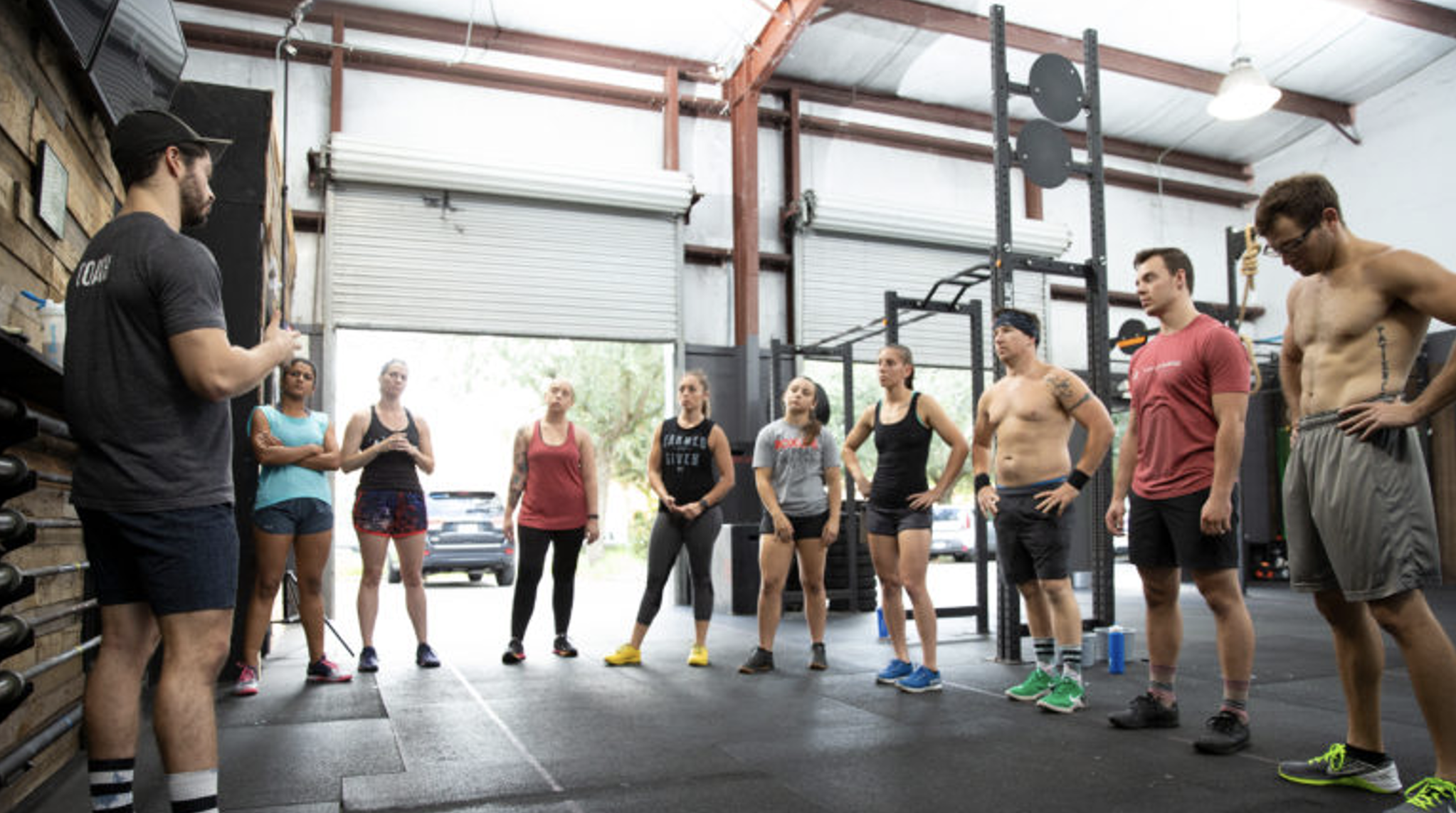
In CrossFit, coaching is rarely just instruction. Coaches are leaders, connectors, and culture carriers.
They set the tone for how members speak to each other, they model encouragement, they decide whether standards are enforced consistently or selectively.
When coaching is strong, members trust the environment. When trust is present, people are willing to be vulnerable. That vulnerability is where real adherence forms.
This is one of the reasons coach turnover can be so damaging to retention. It’s not just about losing technical skill you also end up losing relational continuity.
Rituals, Events, and Life Beyond the Workout
Many CrossFit gyms extend connection beyond the hour-long class. Social events, charity workouts, informal gatherings, and shared traditions deepen relationships.
These moments matter because they shift the gym from a service to a social identity. Members don’t just attend classes. They belong to something.
Once a gym becomes part of someone’s identity, cancellation becomes emotionally difficult. Not because of pressure, but because leaving would mean leaving people, not just workouts.
Trust Is the Quiet Retention Multiplier
Underpinning everything is trust.
Trust that the coach knows what they’re doing.
Trust that standards will be applied fairly.
Trust that effort will be respected.
Trust that absence will be noticed for the right reasons.
Trust is built through consistency, not intensity. Stable schedules, reliable communication. predictable behaviours.
When trust erodes, attrition follows. Not immediately, but quietly. People disengage before they leave.
Why This Matters Beyond CrossFit
What makes CrossFit interesting isn’t that it has “better” members. It’s that its systems support human needs particularly well.
People want to feel known. They want progress to feel possible. They want effort to matter. They want to belong without having to perform perfection.
These principles apply far beyond CrossFit affiliates. Any fitness business that wants to improve retention can learn from how culture is protected, not just promoted.
Retention is rarely fixed with new offers or technology alone. It’s shaped by daily interactions, protected standards, and the experience people have when motivation dips.
The Real Retention Lesson
The biggest takeaway from CrossFit isn’t community events or social media content.
It’s this: Retention is not a program, it is the byproduct of culture. When culture is clear, consistent, and lived daily, people stay. Not because they’re persuaded, but because leaving feels like walking away from something meaningful.
And that is far harder to replace than any workout.
Join our Free Retention Guru Community
This group is for those who want to increase retention, reduce attrition and improve the customer experience in a health club environment. It's here for you to share your wins, your challenges and your experiences. It’s here so that you can find support and be supportive.

8 most common mistakes operators make.
Simply enter your name and email to download your free copy today!